
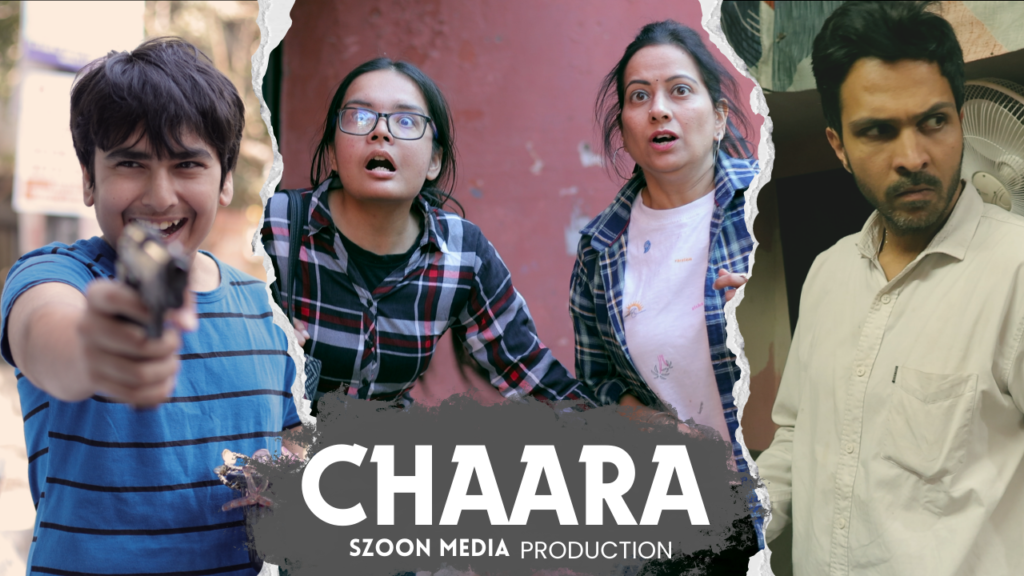
“एक दिन ये दुनिया, मेरे पैरों में पैसे रखेगी, वो भी नगद। (One day, this world will place money right at my feet—and in cold, hard cash.)” – Shaney Bhai
When Shaney, a teenager announces this to his father in the middle of the sounds of manual bedsheet machine, it sets the gritty tone for this sleek Hindi short film – CHAARA. On the surface, the film presents an everyday urban encounter—a petty argument over money, a medical emergency on a dusty road, and a helpful rickshaw driver stepping in. But beyond that under the layers, there is an ambitious game that’s juggling between the hunter and its prey.
Chaara explores the spheres of class power dynamics, deception along with day-today urban hustle and steps you into the world, where real life turns into an arena, and everyone is trying to get the upper hand, fueled by just raw desperation.
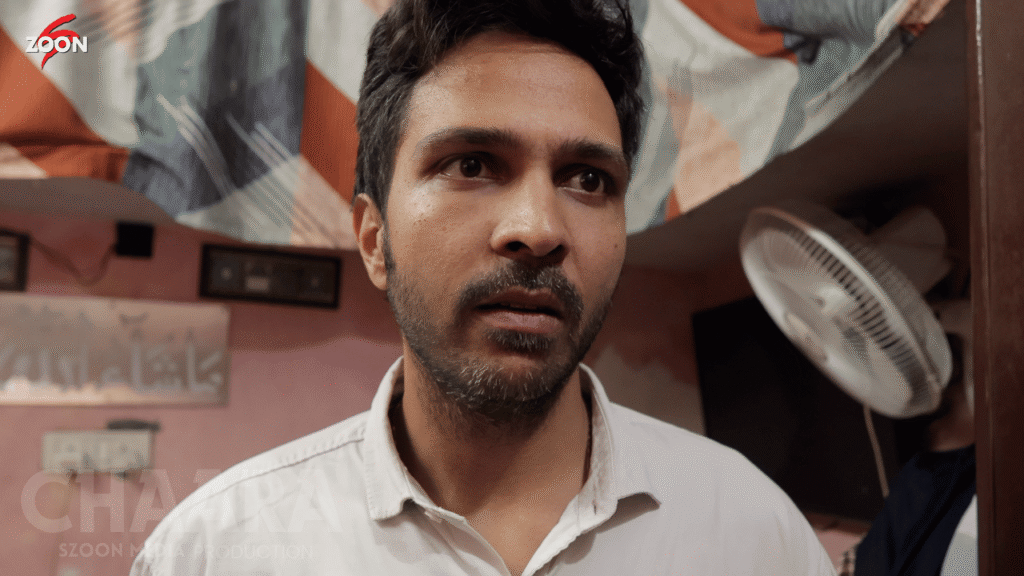
Premise
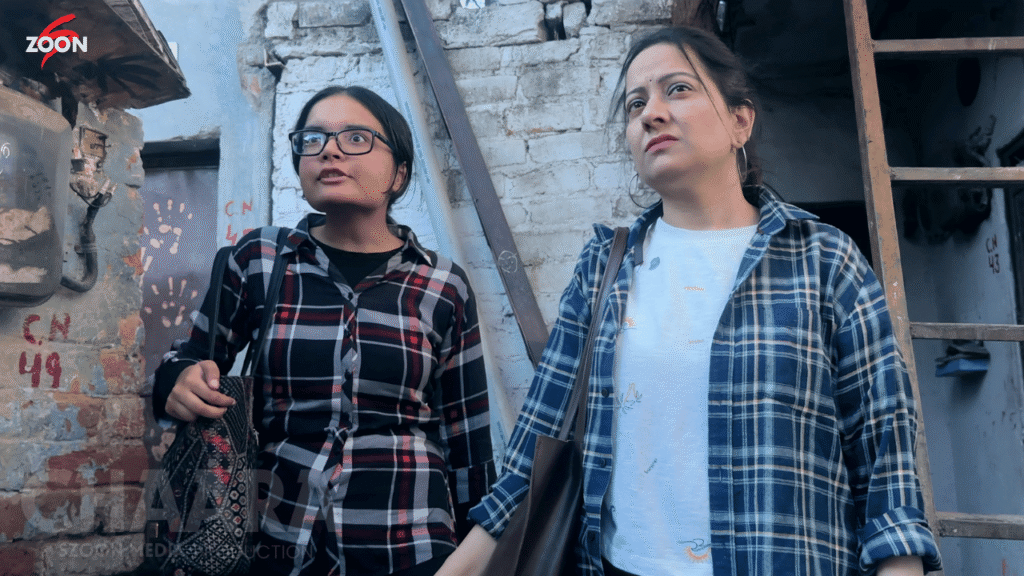
When Simmi and Riya two young women on a roadside find themselves stranded, one is struggling with illness and is about to faint, as if this was short of something they find eve-teasers as well. Looking for some help desperately, they find a rickshaw driver, who helps them to drop at their home as they guide with the route. But the journey leads them in a heated argument over a inflated fare where the story takes a sharp turn, that exposes ego clash & deception.
Cinematography
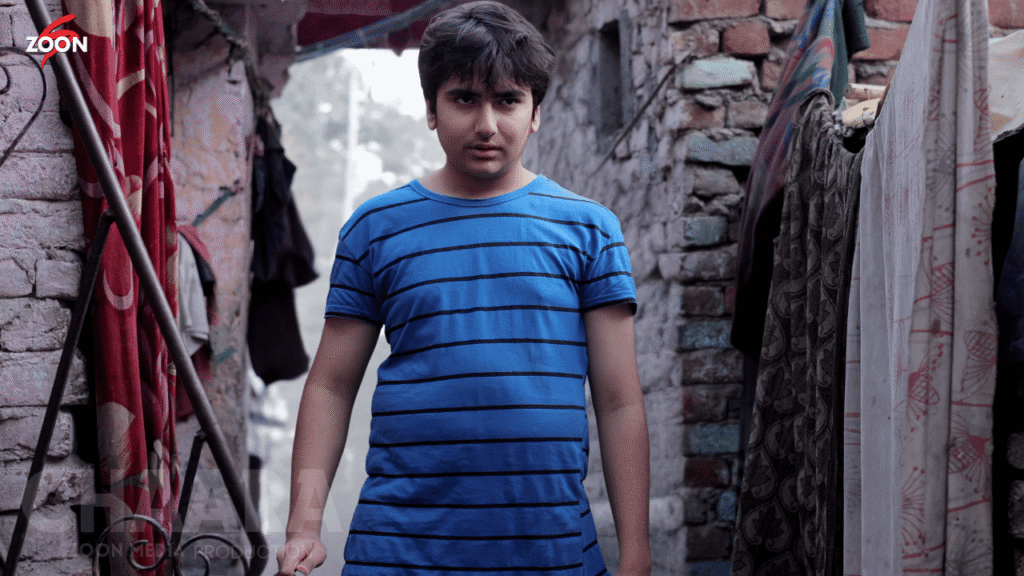
CHAARA cinematography is very grounded, hand-held camera movements creates an intimate, almost documentary-like street realism. Avoiding clean polished looked that makes everything shines in the frame helps this thriller to make the viewer connect to the locations as well, not the characters only.
Tracking shots in the alleyway helps the tension to raise the bar and engage the audience to follow for more.
Themes
Survival vs Ego
In the world where economic misbalance is stretching from one end to the other end of the planet, every player on the market board leaping over the limits to win at any cost and brush their ego, even in the struggle for survival.
Gender biases
CHAARA drives straight into the walls of gender stereotypes and challenges the mindsets of portraying women as victims who hesitates and step back more than often in the crime narratives.
Who Should Watch It
- Fans of tight, fast-paced indie thrillers and street-crime short stories.
- Viewers who appreciate unexpected narrative twists and dynamic power flips.
Who Should Skip It
The viewers looking for high-budget glossy visual effects or extensive action choreography.